Choosing the Right General Contractor: Your Comprehensive Guide to Effective Home Projects
Choosing the right general contractor is a crucial decision in any home project. The contractor's proficiency and communication can significantly influence the outcome. Numerous factors come into play, from experience to client feedback. Understanding these elements can help homeowners navigate the selection process successfully. What key qualities should one prioritize? And how can one guarantee a smooth collaboration? These questions are essential for achieving a successful project.
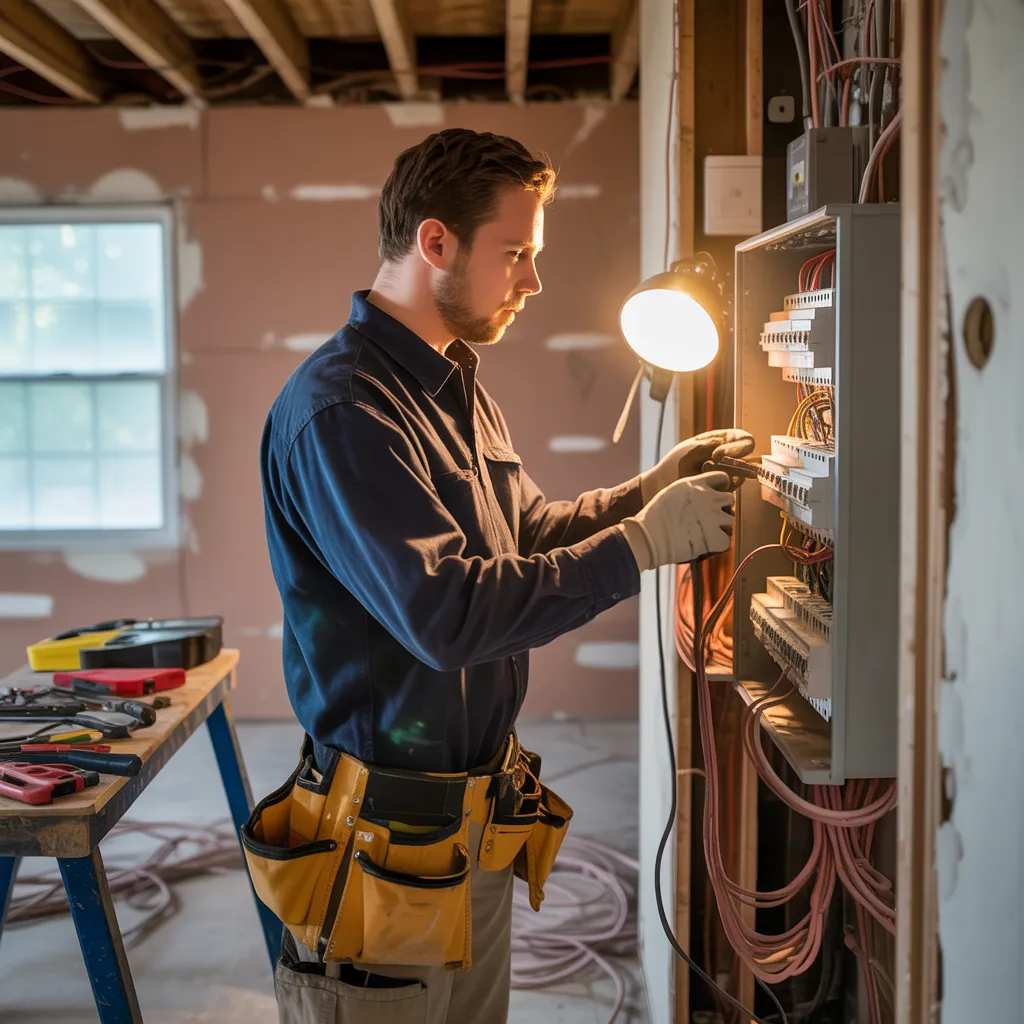
Comprehending the Role of a General Contractor
A general contractor functions as the central figure in construction projects, coordinating various aspects to secure successful execution. This role involves a wide range of responsibilities, such as project planning, scheduling, and coordination of subcontractors. The general contractor serves as the primary point of communication between clients, architects, and suppliers, seeing to it that all parties remain informed and aligned throughout the project lifecycle.
Beyond managing the workforce, the general contractor is tasked with securing essential permits and complying with local building codes. They oversee budgeting and resource allocation to ensure financial control and efficiency. Risk management is also a vital component, as the general contractor must anticipate potential issues and implement solutions to reduce delays or cost overruns. Ultimately, the general contractor's leadership and expertise directly influence the overall quality and timing of the construction project, making them an essential asset in realizing the client's vision.
Essential Qualities to Seek in a Contractor
While choosing a contractor, it is important to give priority to key qualities that ensure a successful partnership. First and foremost, effective communication is crucial; a contractor should be able to articulate clearly their vision, updates, and any challenges that surface during the project. Reliability is another crucial trait; a dependable contractor sticks to timelines and commitments, ensuring that the project progresses smoothly.
Moreover, proficiency in the specific type of work necessary can substantially impact the quality of the final result. A portfolio of prior work can display this expertise. Additionally, a strong reputation, commonly evidenced by positive reviews and testimonials, shows a contractor's focus on customer satisfaction. In conclusion, transparency in pricing and contracts promotes trust, helping homeowners to understand the financial elements without hidden surprises. By focusing on these key qualities, homeowners can pick a contractor who matches their project goals and cultivates a productive working relationship.
Interview Questions You Should Ask
Choosing the right contractor entails not only recognizing key qualities but also engaging in a thorough interview process. During this stage, homeowners should develop essential questions to gauge a contractor's suitability.
First, inquire about their expertise with like projects, which can indicate their competence and proficiency. It's also crucial to obtain references from former customers to gauge client satisfaction. Homeowners should establish the contractor's license and insurance credentials, verifying conformity to legal requirements.
Moreover, exploring their project management system can offer insights into communication and efficiency. Homeowners should also examine timelines and availability to verify the contractor can meet project deadlines. Lastly, asking about their preferred subcontractors can indicate the quality of work expected throughout the project.
Assessing Contractor Quotes and Bids
Assessing contractor estimates and bids is a crucial step in the renovation process, as it ensures homeowners make informed financial decisions. To start, homeowners should evaluate multiple bids, confirming they understand the scope of work outlined in each estimate. It's important to look for detailed breakdowns of costs, including labor, materials, and any additional fees, to identify discrepancies.
Homeowners must also consider the timelines provided by each contractor, as a lower bid may not be worth extended project delays. Outside of price, evaluating the contractor's reputation and experience can supply insight into the quality of work you can expect.
Talking with contractors about any ambiguous aspects of their bids is equally important, as transparency helps create trust. Eventually, taking the time to comprehensively assess estimates and bids can eliminate financial surprises and promote a smoother renovation experience.
Recommendations for Developing a Strong Working Relationship With Your Contractor
Building a strong working relationship with a contractor can substantially improve the renovation experience, as productive communication and mutual respect establish the foundation for cooperation. To cultivate this relationship, homeowners should set clear expectations from the onset. Discuss project timelines, budgets, and specific goals to secure alignment.
Frequent check-ins can also help preserve open lines of communication. Homeowners should feel free to ask questions and provide feedback, while contractors should be open to concerns and willing to discuss solutions. It is vital to approach conflicts with a problem-solving mindset, recognizing that challenges may occur during any project.
Furthermore, expressing appreciation for the contractor's efforts can be highly beneficial. Straightforward gestures, such as acknowledging their dedication or providing refreshments on-site, can reinforce rapport. Finally, building trust and respect will result in a more productive partnership and a easier renovation process.
FAQ
How Can I Locate Contractors in My Area?
To find local contractors, it's possible to search online directories, seek recommendations from relatives and friends, examine community bulletin boards, and visit local hardware stores. Confirming licenses and reviews is equally essential for confidence.
What Licenses and Insurance Does a Contractor Need?
A contractor should possess a valid license specific to their trade and carry general liability insurance, as well as workers' compensation coverage. This documentation safeguards both the contractor and homeowner from potential liabilities during a project.
What Methods Can I Use to Verify a Contractor's Prior Work?
To check a contractor's work history, you'll want to request references, check online review portfolios, examine customer reviews, and visit completed projects when possible. This provides an informed decision based on the contractor's previous performance and reliability.
What Is the Normal Payment Schedule for Contractors?
Usually, a contractor's payment schedule incorporates an upfront deposit, followed by staged payments at predetermined milestones, and a final payment upon project completion. This structure guarantees accountability and aligns financial incentives throughout the duration of the project.
Am I Able to Change Contractors Halfway Through?
A homeowner has the ability to change contractors mid-project when needed. However, this decision should be made carefully, considering likely scheduling delays, increased costs, and consequences for quality and consistency. Proper communication is essential during this changeover.